
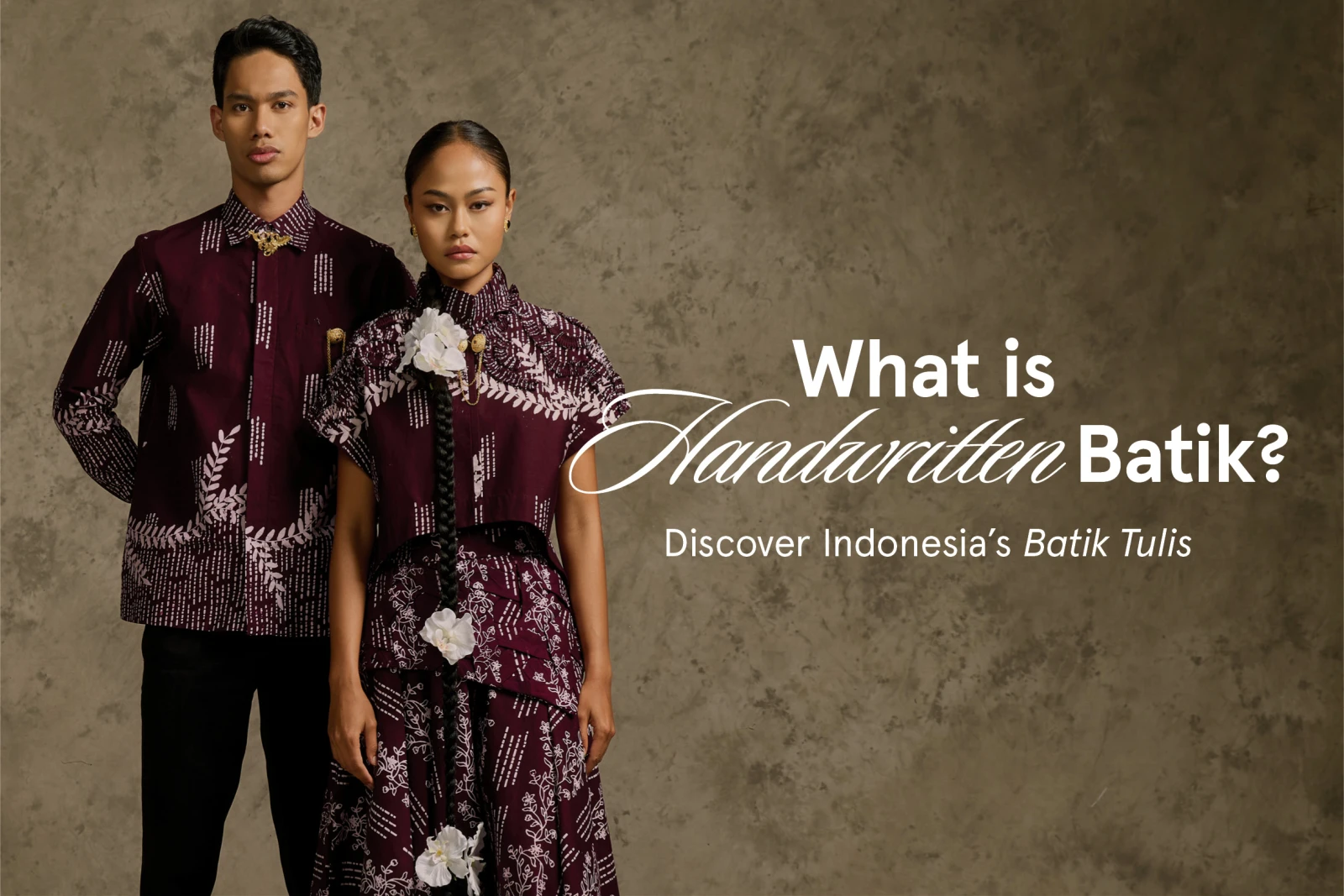
What Is Handwritten Batik? Discover Indonesias Batik Tulis
Discover the beauty of Indonesian handwritten batik, a centuries-old textile tradition reimagined through contemporary design. Explore OE Signature (OES) 2026, Oemah Etnik (OE)’s premium line featuring its first handwritten batik touch, and experience the collection in Jakarta and Bali.
When exploring Indonesian fashion, few textile traditions tell a story quite like batik. Recognised by UNESCO as an Intangible Cultural Heritage of Humanity in 2009, Indonesian batik is more than a patterned fabric. It is a living craft shaped by skilled hands, cultural knowledge, and generations of artistic expression.
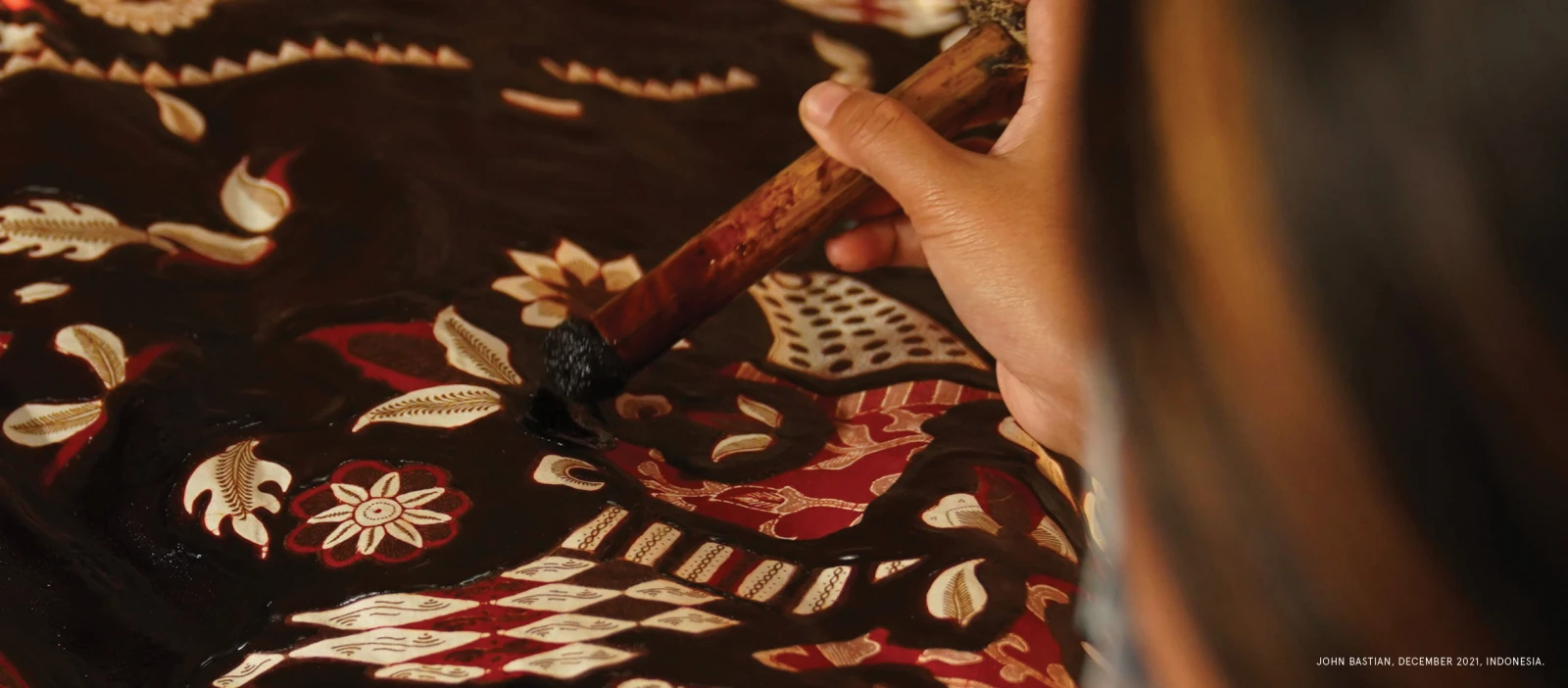
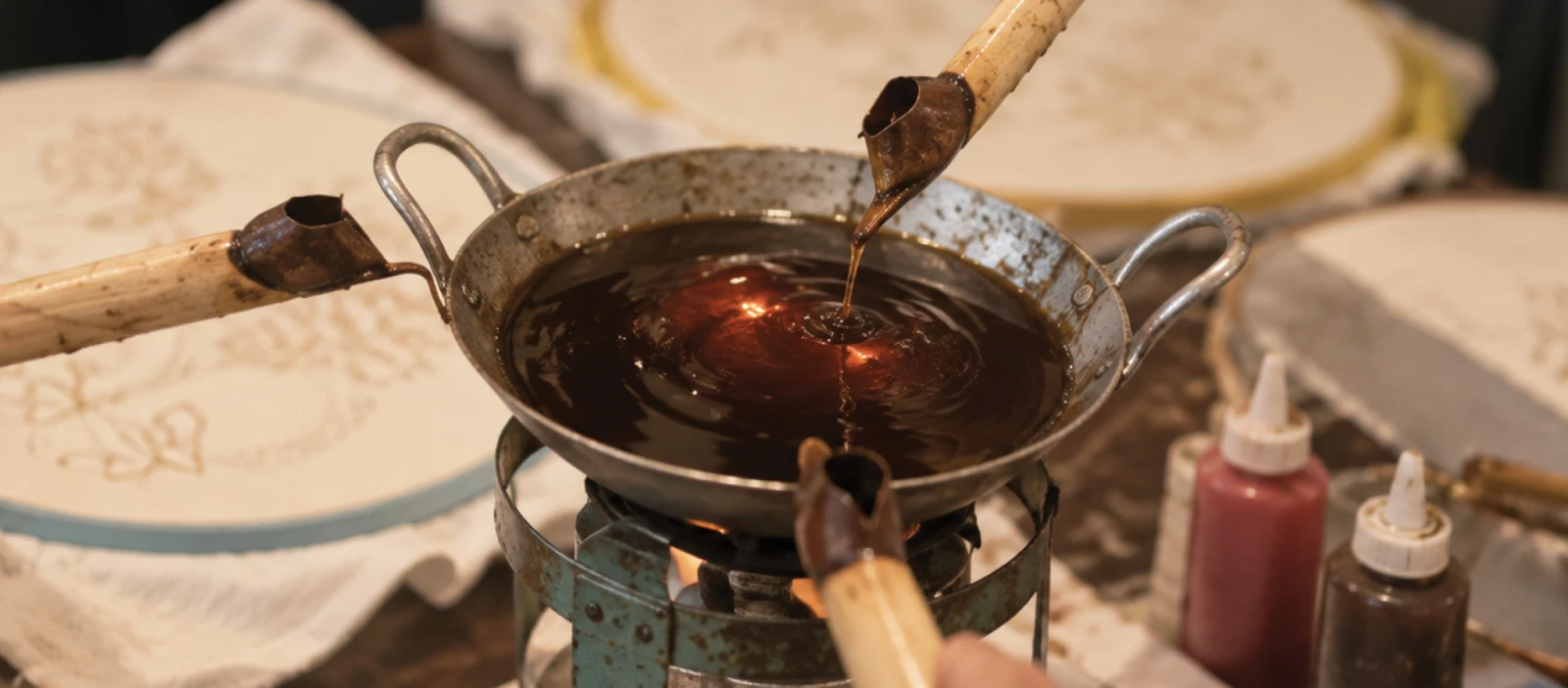
Among its traditional techniques is batik tulis, or handwritten batik, a method that allows artisans to draw intricate patterns directly onto fabric using hot wax and a tool called a canting. Each movement contributes to the final design, making the process an expression of both technical skill and individual craftsmanship.
Today, Indonesian batik continues to evolve beyond traditional settings. At Oemah Etnik (OE), we explore how this heritage can become part of a contemporary wardrobe through thoughtful design, versatile silhouettes, and details that honour the people and processes behind the textile.
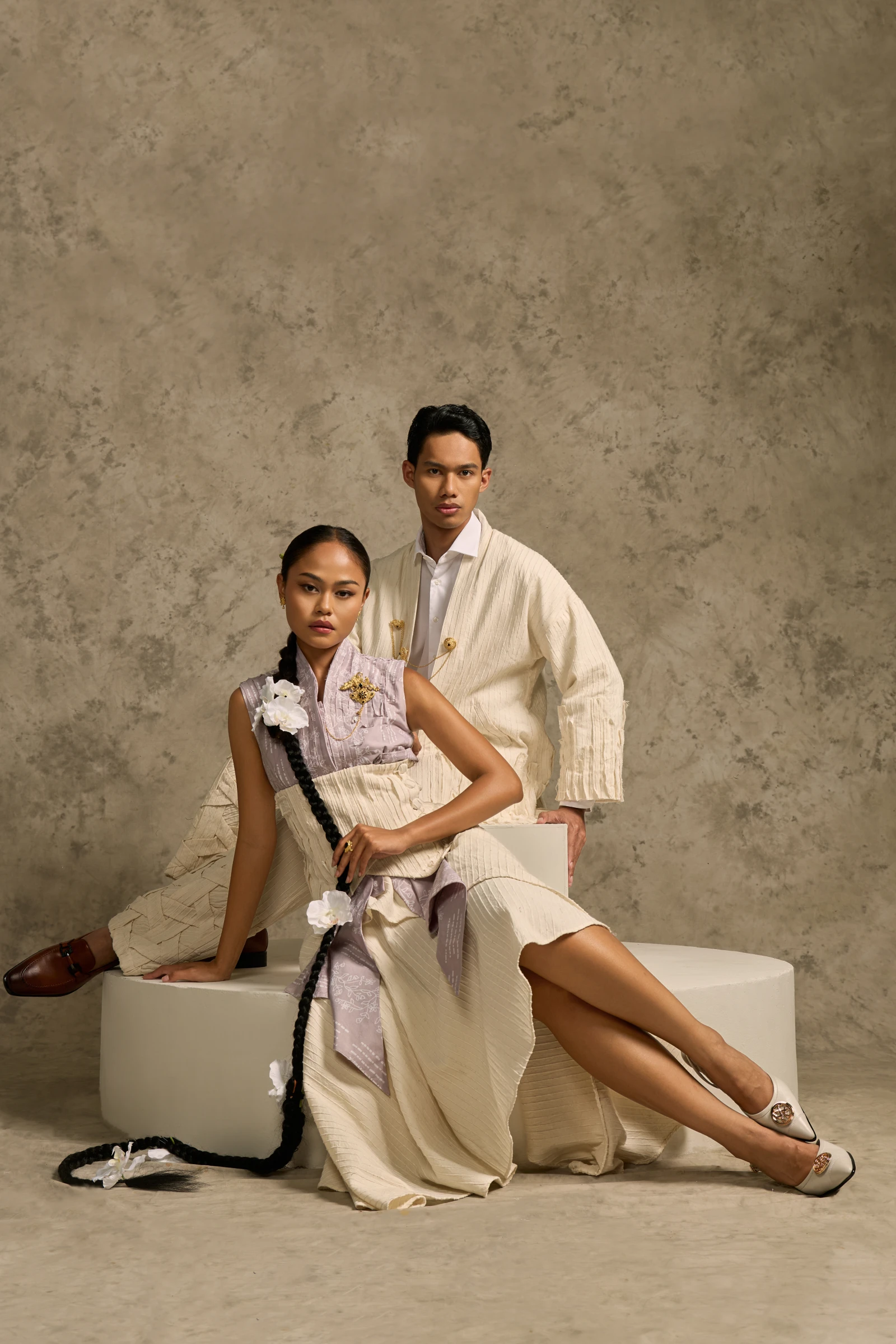
Our latest OE Signature 2026 premium line, Own Pace, marks a new chapter in this exploration with our first handwritten batik.
What Is Handwritten Batik?
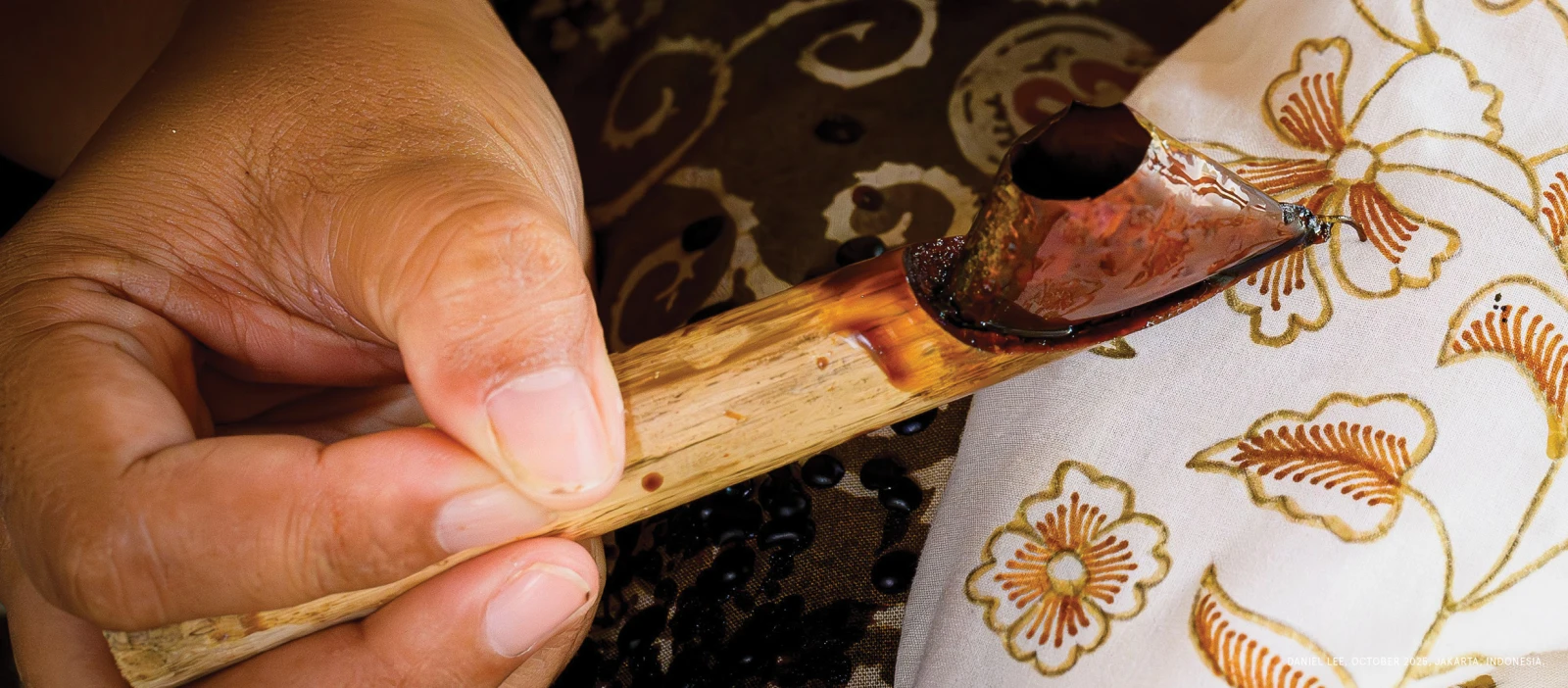
Handwritten batik, locally known as batik tulis, is a traditional Indonesian batik-making technique in which artisans draw patterns onto fabric using a small, pen-like tool called a canting, filled with hot wax.
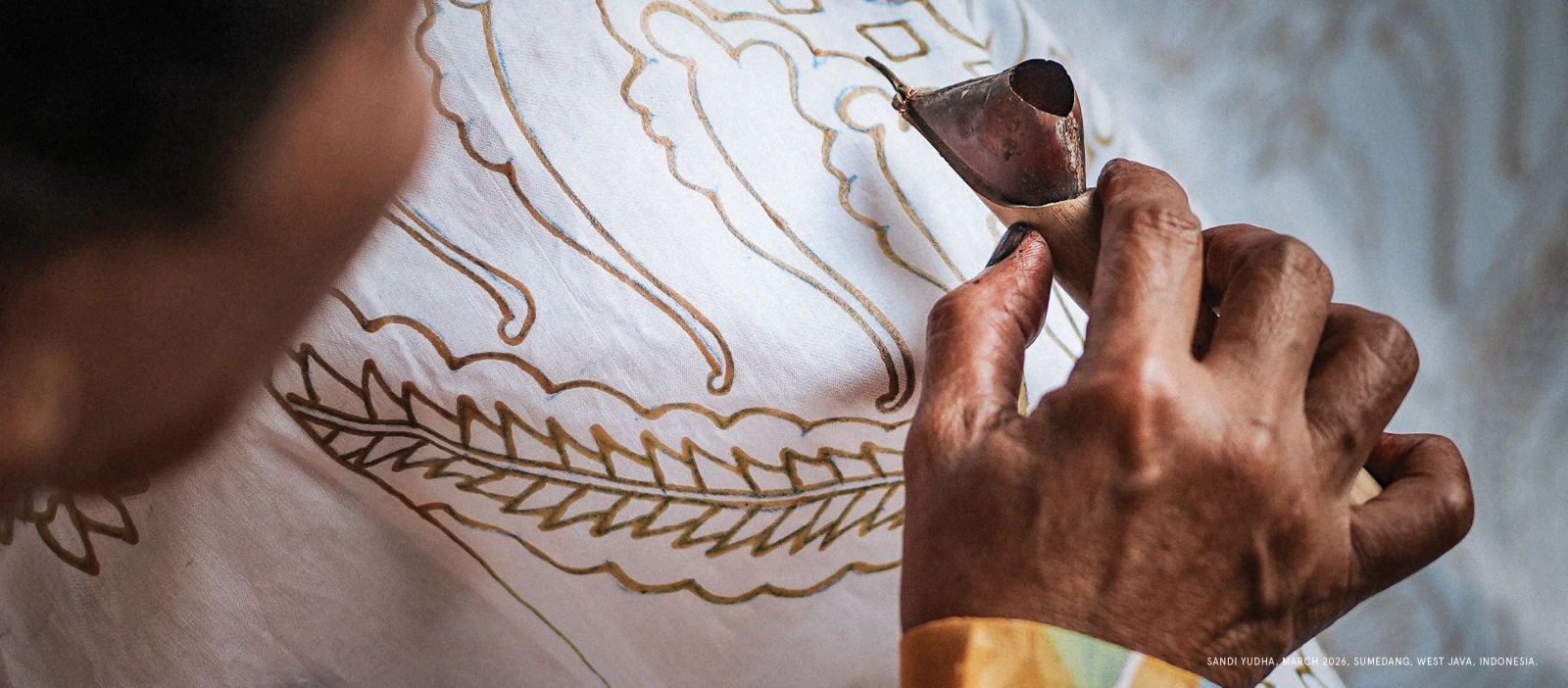
The wax acts as a resist during the dyeing process, protecting selected areas of the fabric from colour. Depending on the design, the waxing and dyeing process may be repeated several times to build layers of colour and detail.
Unlike machine-printed patterns, handwritten batik is shaped by the artisan's hand throughout the process. The pressure, direction, and movement of each stroke contribute to the character of the final textile.
This is part of what makes batik tulis so special. Its value lies not only in the finished pattern but also in the knowledge, patience, and craftsmanship required to create it.
Indonesian batik is also deeply connected to cultural identity. Motifs can reflect local traditions, nature, history, and symbolic meanings, with different regions developing their own distinctive visual languages.
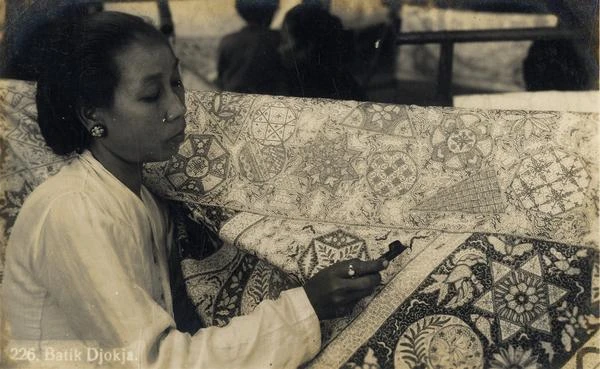
For those discovering Indonesian textiles for the first time, understanding handwritten batik offers a meaningful introduction to the country's rich craft heritage.
Handwritten Batik vs. Hand-Stamped Batik: What Is the Difference?
Indonesia is home to several batik-making techniques, including handwritten batik and hand-stamped batik. Both use wax-resist methods, but the way their patterns are created differs.
Handwritten batik (batik tulis)
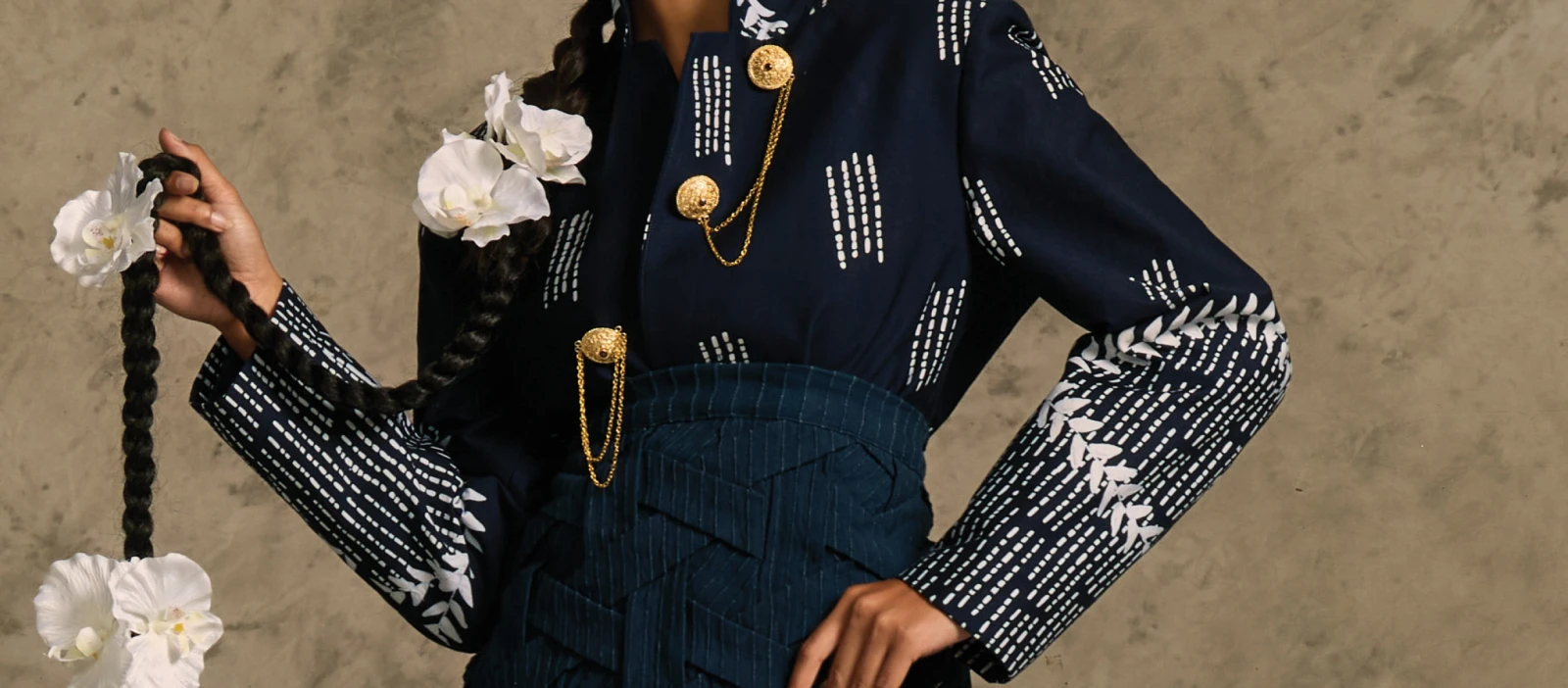
Artisans draw the design directly onto the fabric using a canting. The process allows for expressive lines, intricate details, and subtle variations that emerge from the movement of the hand.
[Shop our Handwritten Batik touch collection ->]
Hand-stamped batik (batik cap)
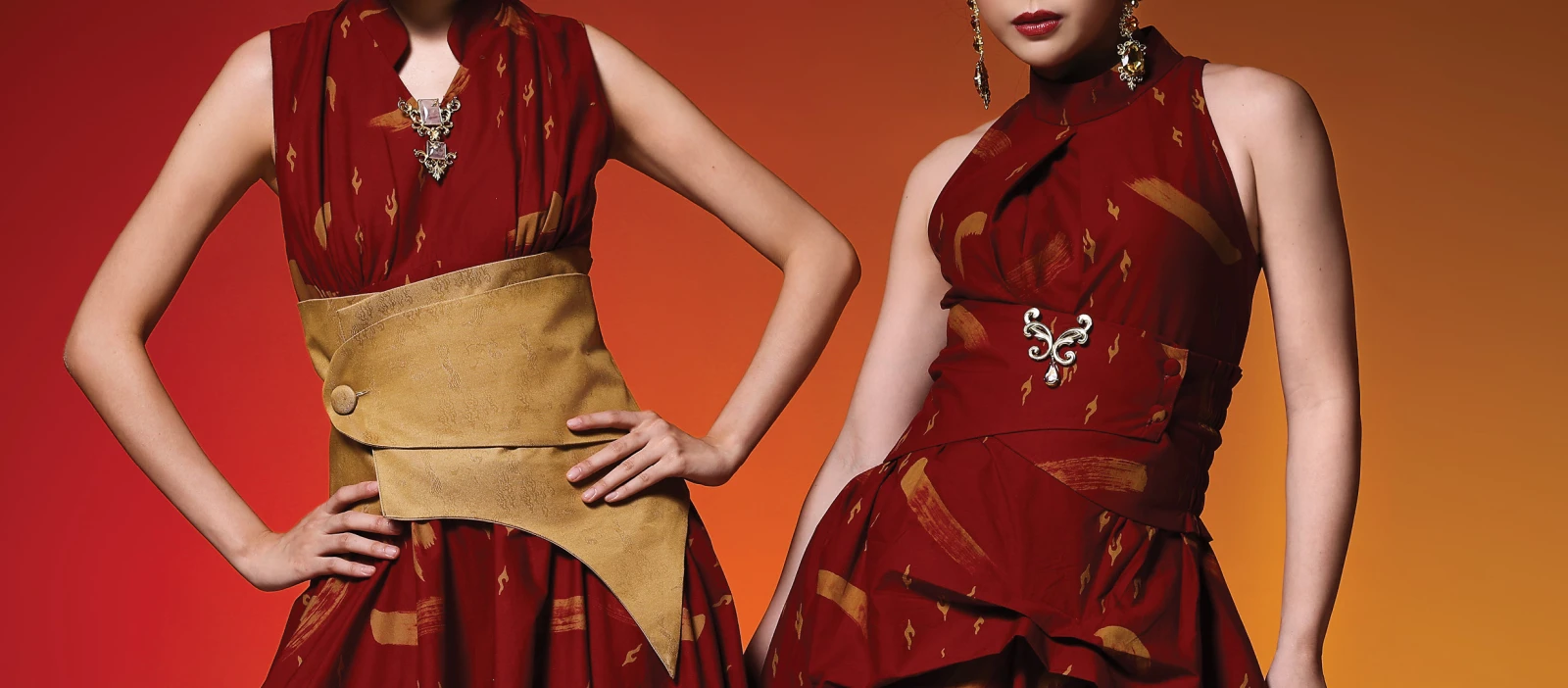
Artisans use a patterned copper stamp, known as a cap, to apply hot wax to the fabric. This technique allows motifs to be repeated more consistently while retaining the craft of traditional wax application.
Some textiles combine both techniques, bringing together the structured repetition of stamped motifs and the more individual character of handwritten details.
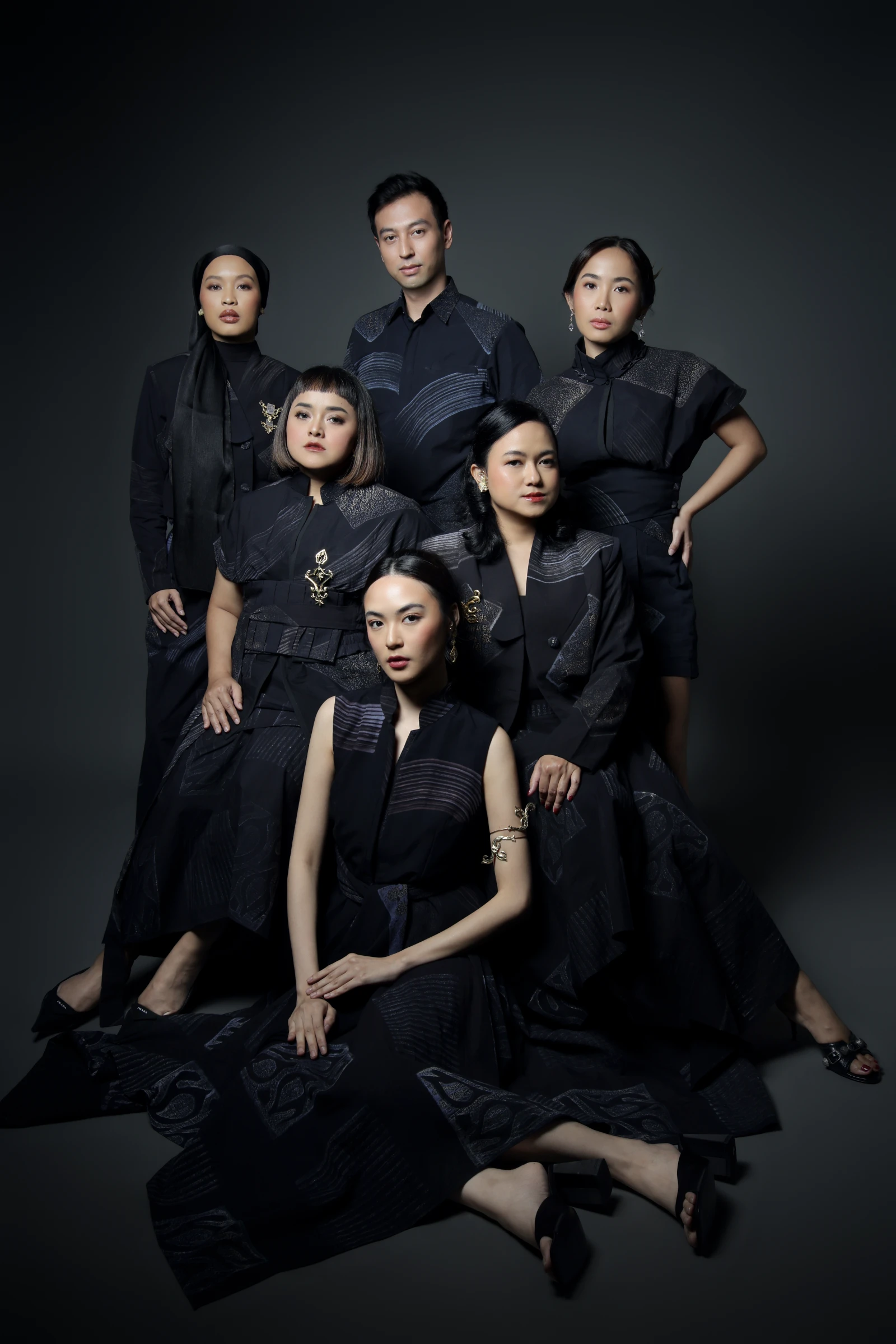
Neither technique is simply a substitute for the other. Each offers different artistic possibilities, and both contribute to the continuing development of Indonesian batik.
At OE, we see these techniques as opportunities to explore how traditional craftsmanship can remain relevant to the way people dress today.
[Shop our Hand-stamped Batik collection →]
How Oemah Etnik (OE) Brings Handwritten Batik Into Modern Fashion
At Oemah Etnik (OE), Indonesian batik is designed to be worn and experienced as part of everyday life, not reserved only for formal celebrations or special occasions.
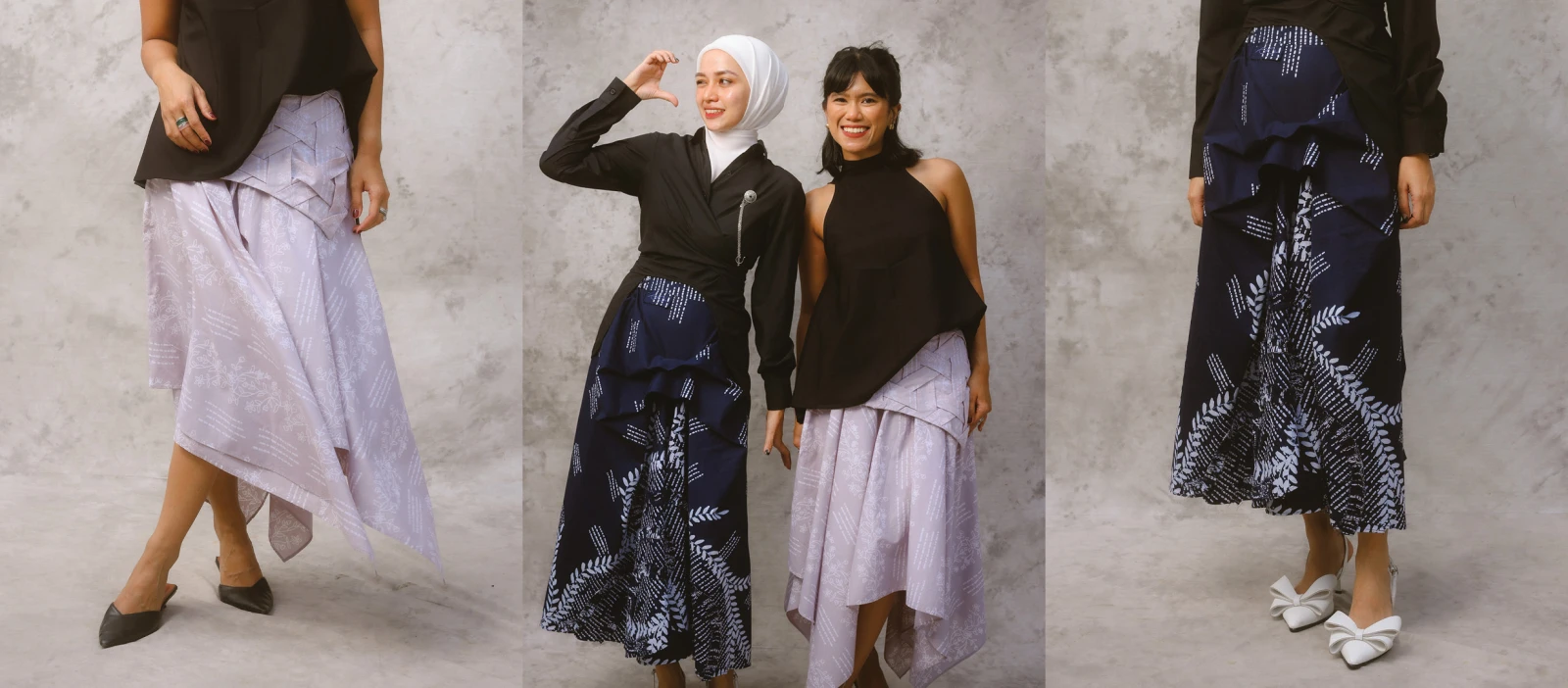
Our approach brings traditional textiles into contemporary wardrobes through modern silhouettes, considered details, and versatile pieces that can move between different settings.
This philosophy continues with OE Signature (OES) 2026: Own Pace, our premium line launched on October 2, 2026, in celebration of National Batik Day in Indonesia.
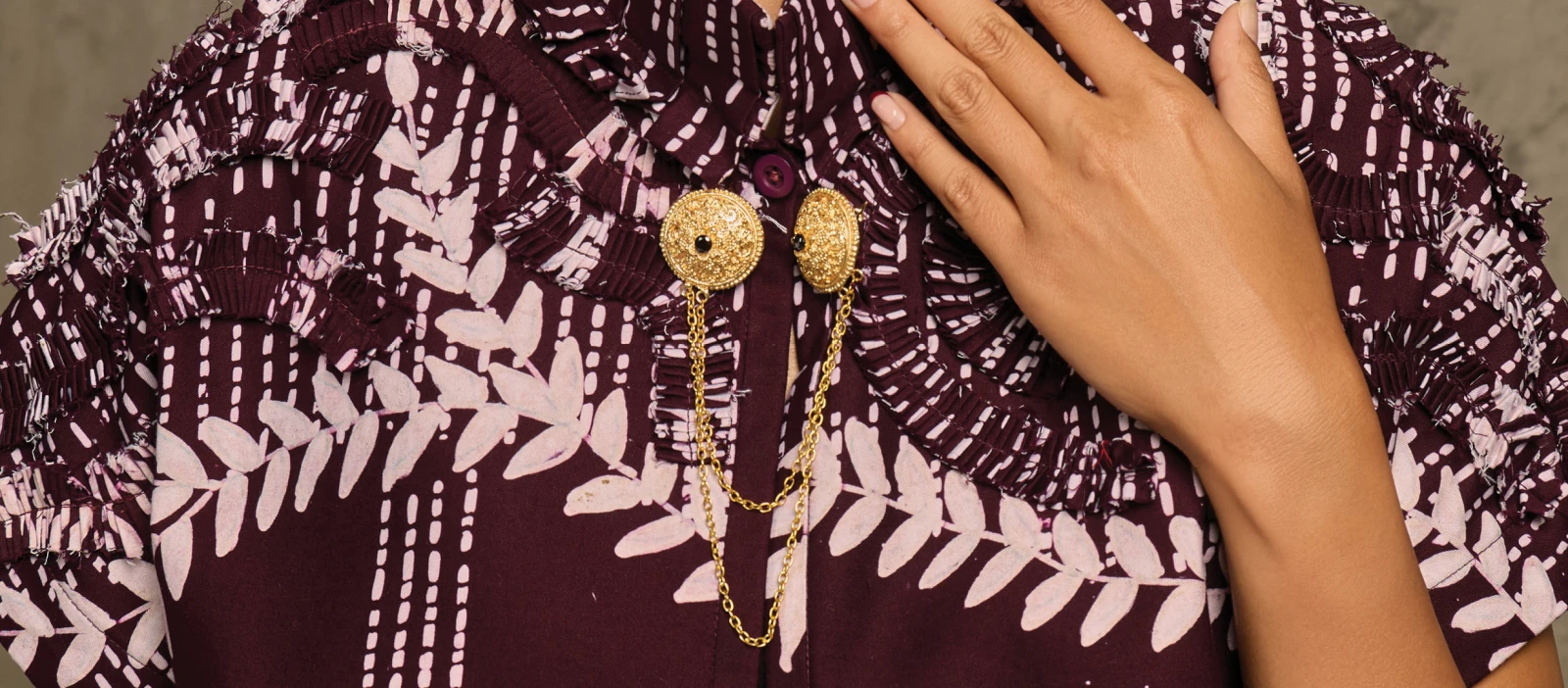
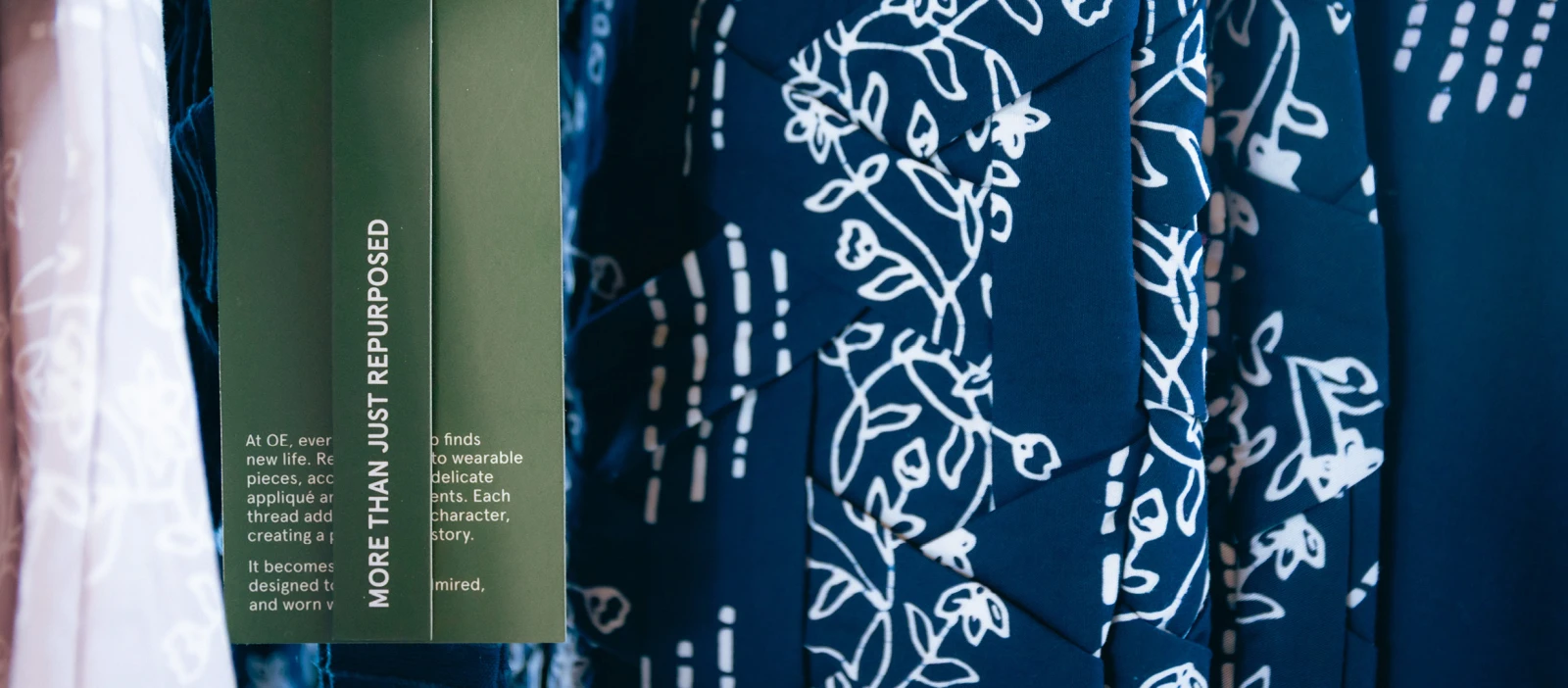
For this collection, we introduce our first exploration of handwritten batik, combining Pekalongan hand-stamped batik with handwritten branching lines.
The result brings two different expressions of craftsmanship together. The stamped foundation provides structure, while the handwritten lines introduce movement and individuality into the composition.
Within the design, lines, dots, and flowers each contribute to the visual story. Branching lines suggest the different directions life can take. Dots represent moments of pause, while flowers bring softness and a sense of growth.
Together, these elements form a textile that feels considered without being overly uniform.
Discover the Craft. Wear the Story.
Indonesian batik continues to evolve because the craft is not separate from the people who practise it or the generations who find new ways to wear it.
From the precision of hand-stamped motifs to the individual movement of handwritten lines, each technique offers its own way of expressing the richness of Indonesian textile heritage.
With OES 2026: Own Pace, we invite you to discover this heritage through a contemporary lens, where craftsmanship meets modern design and every piece can become part of your own story.
We’d love for you to find a piece that feels like your own. If you’re interested in our OES 2026 bespoke collection, reach out to our OE Personal Shopper to explore the handwritten batik designs, ask about availability, or place a pre-order. Whether you’re in Indonesia or shopping from abroad, our team is happy to guide you through the process and help you find the right piece. Each design is made in limited quantities, with care for the craftsmanship and a more considered approach to production. We look forward to helping you discover a little piece of Indonesian heritage to make your own.
Explore Indonesian batik with Oemah Etnik (OE), online or in person.